
At the top of mind for policymakers, hyperscalers, utilities, and consumers is how to fairly, affordably, and reliably address unprecedented large loads looking to interconnect to a U.S. grid that is under strain from accelerating load growth and aging infrastructure long in need of robust investment. Key to that challenge is the question of whether existing federal transmission pricing policies are equipped to meet the moment. Although state large load tariffs are likely to remain the primary mechanism for translating large load customers’ stated willingness to pay their fair share into enforceable commitments, FERC-jurisdictional rules determine which transmission costs are approved—thus, this report series focuses on that key piece of the puzzle. Adding new electricity demand to the system need not raise rates for existing customers, but that depends on the policy choices federal and state regulators make now.
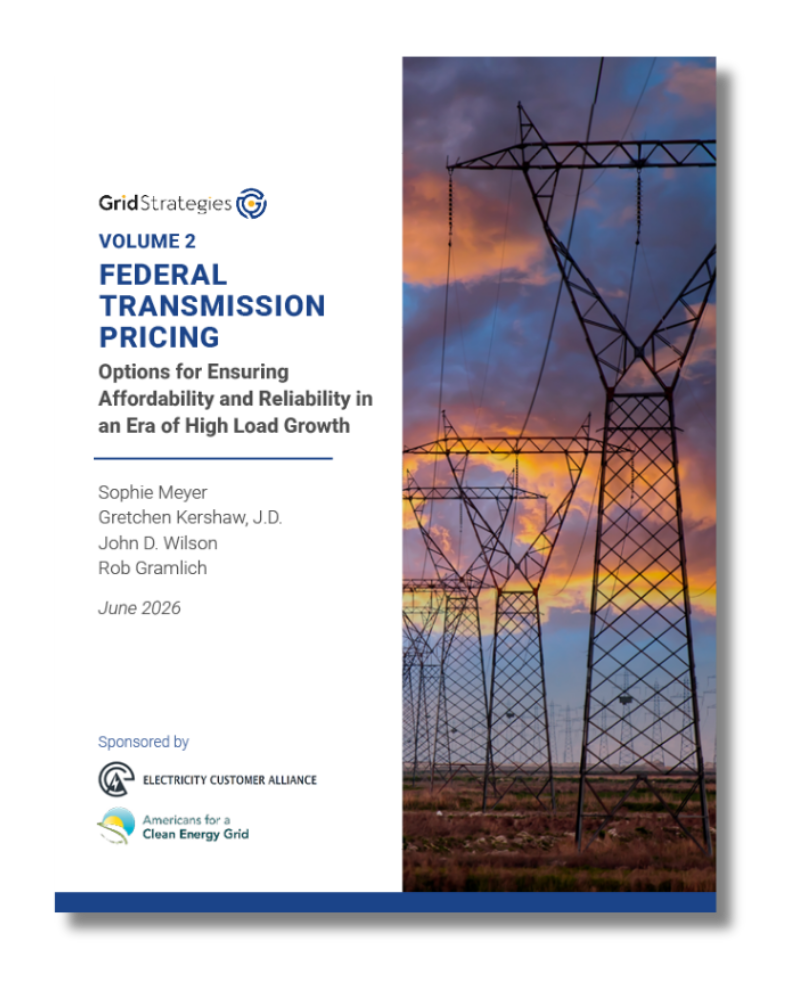
This two-volume report seeks to address this urgent challenge.
Out now, Federal Transmission Pricing Volume 2: Options for Ensuring Affordability and Reliability in an Era of High Load Growth identifies the guiding principles derived from the evolution of transmission pricing (outlined in Vol. 1) and applies them to a series of policy options that industry and FERC could adopt to ensure all transmission customers, including new data centers and other large electric system users, are paying their “fair share” of transmission costs.
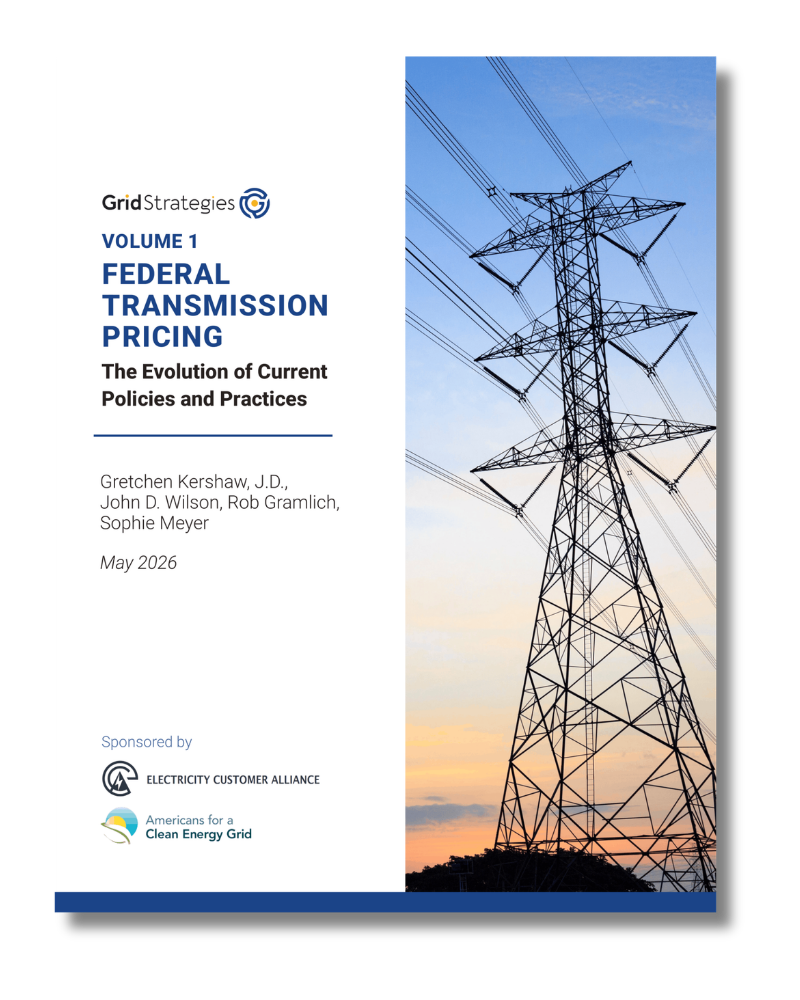
Federal Transmission Pricing Volume 1: The Evolution of Current Policies and Practices is aimed at bringing to the conversation a more fulsome background on the evolution of federal transmission pricing to inform the public, policymakers, and regulators about how we got to where we are today and why the policies are the way they are. Understanding the evolution of federal transmission pricing policy will be central to balancing three competing objectives: maintaining reliability, ensuring affordability for new and existing customers, and enabling the infrastructure upgrade and expansion needed for improving resilience and enabling economic growth.
A slide deck, released alongside Volume 2, provides a streamlined summary of both report volumes.
This report is sponsored by the Electricity Customer Alliance and Americans for a Clean Energy Grid.